















Gartic Phone starts with a simple sentence and ends in chaos. Each player writes a prompt, passes it to someone else who draws it before a timer runs out, and then a third player guesses what the drawing shows. That guess becomes the next prompt, and the cycle continues until the round closes. The album reveal at the end shows the full chain - original sentence, every drawing, every guess - and watching a coherent idea mutate into something unrecognizable is usually the funniest part of the session.
How to Play Gartic Phone
Every round follows the same telephone loop. You write a sentence - funny, random, or deliberately strange - and someone else receives it and has to illustrate it before the timer expires. The next player sees only the drawing and writes a sentence describing what they think it shows. That description goes to the next player as a new drawing prompt, and so on. No one outside the chain sees the original sentence until the reveal.
You don’t need drawing ability to contribute. Terrible drawings often produce the funniest guesses because they force the next player to interpret something ambiguous, which pushes the chain further from the original idea.
Game Modes
Gartic Phone includes over 15 distinct modes. A few change the loop significantly:
- Normal - the standard write, draw, guess rotation.
- Animation - players build a short animated GIF frame by frame.
- Exquisite Corpse - everyone draws part of a picture without seeing the full canvas.
- Story - chains of drawings and descriptions build longer narratives.
- Secret - canvas inputs are hidden, so players draw without seeing what others have done.
- Knock-Off - you replicate a drawing accurately while the timer accelerates.
- Icebreaker - a relaxed mode aimed at group conversation.
Mode choice changes the pace and the type of chaos. Animation and Knock-Off reward coordination; Secret and Exquisite Corpse guarantee unpredictable results.
Tips for Better Rounds
- Keep prompts drawable. A sentence that describes a clear visual scene is easier to illustrate than an abstract concept, which means the chain stays coherent longer - or breaks in more interesting ways.
- Prioritize key details over polish. A rough sketch that communicates the subject beats a detailed drawing that loses the point.
- Don’t overthink guesses. Write what you actually see, not what you think the chain intended.
- Use voice chat. Reacting to the reveal together is most of the fun.
Rooms support 4 to 30 players, and setup takes seconds in a browser on PC, tablet, or mobile.
Game Controls
| Action | Controls |
|---|---|
| Draw and interact | Mouse |
| Enter prompts and guesses | Keyboard |
| Change colors and brush size | Drawing tools in the interface |
What to Play Next
If the guessing and creative chain in Gartic Phone appeals to you, What Beats Rock runs a similar logic-chain format - you answer questions in sequence and compete on streaks, but there’s no drawing involved, so the challenge shifts entirely to word reasoning.
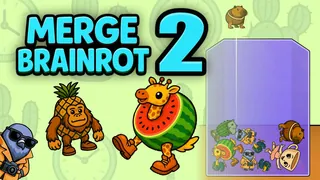
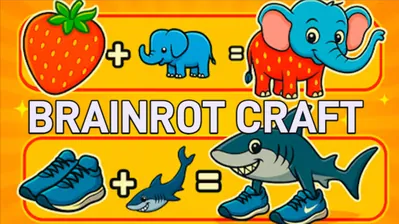
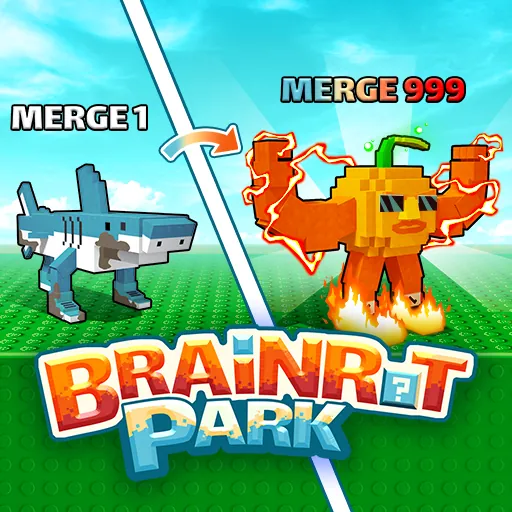
For something with a merge loop instead of a party loop, Merge Brainrot replaces the telephone chain with a fuse mechanic where you combine meme characters into new forms. The sessions are shorter and solo-focused, which is a different pace from Gartic Phone’s group reveals.
Frequently Asked Questions
How many players can join a Gartic Phone room?
Rooms support between 4 and 30 players.
Do you need to be a good artist to play?
No. Bad drawings are part of the game - they push guesses further from the original prompt and usually produce the funniest chains.
How many game modes does Gartic Phone have?
Gartic Phone includes over 15 distinct modes, ranging from the standard write-draw-guess rotation to Animation, Knock-Off, Secret, and Icebreaker.
Is every round different?
Yes. Prompts come from real players each session, so different participants, drawing styles, and guesses produce a new chain every match.